
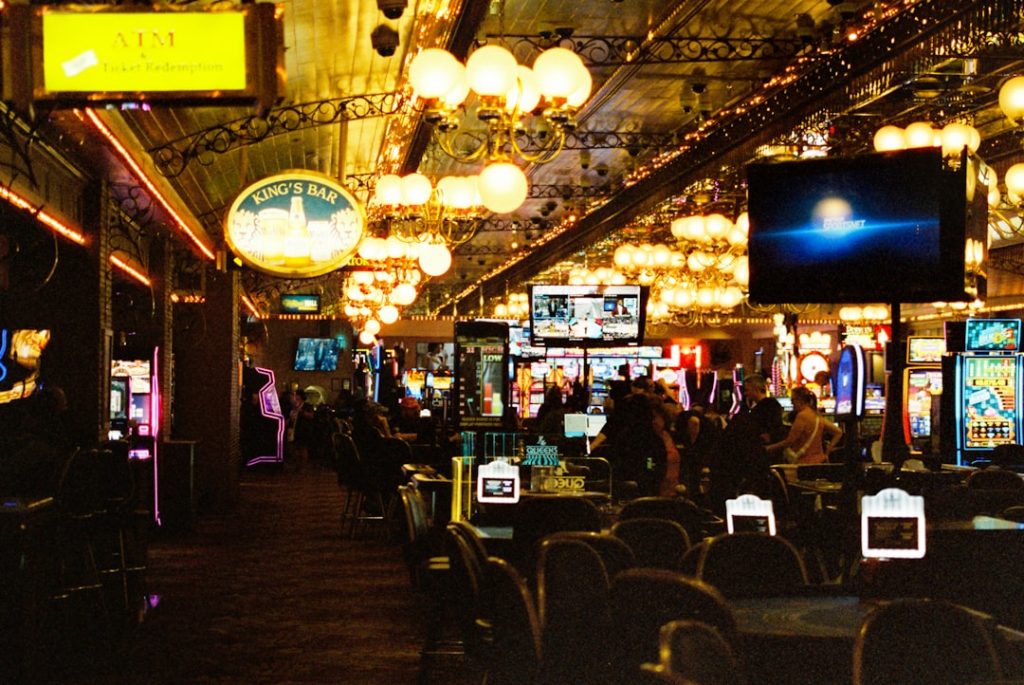
In recent years, the online gaming landscape has undergone a significant transformation, with social casinos emerging as a dominant force in the industry. Unlike traditional online casinos that involve real money gambling, social casinos offer players a unique experience centered around free-to-play games that simulate the thrill of gambling without the financial risk. This article delves into the dynamics of social casinos, examining their growth, user engagement, and the implications for the broader gaming market.
The social casino market has seen remarkable growth, with estimates suggesting that it generated approximately $5.5 billion in revenue in 2022, reflecting a 15% increase from the previous year. This surge can be attributed to several factors, including the rise of mobile gaming, the increasing popularity of social media platforms, and the evolving preferences of younger demographics who favor casual gaming experiences over traditional gambling.
Key Insight: The growth of social casinos indicates a shift in consumer behavior, where entertainment value and social interaction take precedence over monetary gain.
One of the key drivers behind the success of social casinos is their ability to foster community engagement. Players are not just competing against the house; they are interacting with friends and other players, sharing achievements, and participating in social events. This community aspect is particularly appealing to millennials and Gen Z, who prioritize social connections in their gaming experiences. According to a recent survey, 72% of social casino players reported that they enjoy the social features of these games, highlighting the importance of community in driving player retention.
Moreover, social casinos have effectively leveraged the power of social media to enhance their reach and engagement. Platforms like Facebook and Instagram serve as vital channels for marketing and user acquisition. By integrating social sharing features, these casinos encourage players to invite friends, participate in challenges, and showcase their achievements, thereby creating a viral effect that attracts new users. In fact, data shows that social casinos that utilize social media marketing strategies see a 30% higher user acquisition rate compared to those that do not.
Another interesting trend within the social casino space is the incorporation of gamification elements. Many social casinos have adopted mechanics commonly found in mobile games, such as daily rewards, leveling systems, and in-game challenges. These features not only enhance the gaming experience but also keep players engaged for longer periods. A study revealed that players who engage with gamified elements spend an average of 25% more time on social casino platforms than those who do not.
Despite the lack of real money gambling, social casinos are not without their challenges. Regulatory scrutiny is increasing as lawmakers seek to understand the implications of these platforms on gambling behavior and addiction. While social casinos are designed to be a safe and entertaining alternative, there is a growing concern that they may inadvertently normalize gambling behaviors among younger audiences. As a result, operators must navigate a complex regulatory landscape while ensuring responsible gaming practices are in place.
Looking ahead, the future of social casinos appears promising. With advancements in technology, such as virtual reality (VR) and augmented reality (AR), the potential for immersive gaming experiences is vast. Social casinos that embrace these technologies could redefine player engagement, offering a more interactive and lifelike gaming environment.
In conclusion, social casinos represent a significant evolution in the online gaming industry, appealing to a diverse audience seeking entertainment and social interaction without the risks associated with real money gambling. As the market continues to grow, understanding player behavior and preferences will be crucial for operators aiming to thrive in this competitive landscape. The rise of social casinos not only reflects changing consumer habits but also signals a broader shift in the gaming industry towards more inclusive and community-driven experiences.